Ultrasonic Cavitation
The History of Ultrasonic Cavitation: From Surgical Innovations to Non-Invasive Body Sculpting
Beautiful You Body Sculpting & Holistic Wellness/Client Education Series
Where It Began: Ultrasound in Medicine
Long before it became a spa-room favorite, ultrasound was a workhorse of medicine. Ultrasonic energy has been used in dental and surgical instrumentation since the late 1950s, valued for its ability to precisely disrupt tissue with minimal collateral damage. For decades, its use stayed largely therapeutic —external ultrasound had already been used for more than 40 years as a therapeutic modality by the time body contouring adopted it, applied to soft tissue injuries, orthopedic trauma, and pain relief.
The scientific groundwork for what we now call "cavitation" was laid even earlier, in acoustic physics research on how sound waves interact with liquids and tissue — work on bubble growth and rectified diffusion in the 1970s and 80s gave researchers the theoretical foundation to eventually target fat cells with sound energy.
The Surgical Era: Ultrasound Meets Liposuction (Late 1980s–1990s)
The real turning point for body contouring came when surgeons began asking: could ultrasonic energy be used to liquefy fat before it was suctioned out, rather than relying on blunt mechanical force alone?
In the late 1980s and early 1990s, surgeons from Europe and South America began experimenting with using ultrasound energy at a specific frequency to selectively destroy fat cellsThe concept of applying ultrasonic energy to adipose tissue was first conceived by Michele Zocchi of Italy in the late 1980s, though Zocchi himself credited Scuderi with the original concept..
Instruments in this era were rudimentary and ultrasonic generators were cumbersome, requiring constant calibration — but the early pioneers persisted, eventually forming the International Society for Ultrasonic Surgery to share findings. Zocchi, an Italian plastic surgeon and physicist, is largely credited with introducing and advancing ultrasonic lipoplasty during these formative years, and in 1995 he convened the first international symposium dedicated to ultrasonic lipoplasty in Algarve, Portugal..
The prototype machine used by Zocchi and throughout Europe was the SMEI Sonic Sculpture generator, which used a solid probe emitting 20 kHz ultrasound, applied to tumesced tissue and followed by traditional suctioning. Zocchi went on to popularize the technique and introduced it to the United States in 1993..
Growing Pains
Like many surgical innovations, ultrasound-assisted liposuction (UAL) had a rocky adolescence. While initially embraced in South America and Europe, ultrasonic liposuction was largely rejected after many patients experienced skin peeling, burns, and fluid build-up in treated areas Isolated cases of thermal burns surfaced in the late 1990s, tied to prolonged stationary exposure and heat buildup in tissue — which led to two now-foundational safety rules: keep the tissue wet, and keep the cannula moving
Despite the setbacks, the medical community didn't abandon the technology — it refined it.In 1997, the American Society of Plastic and Reconstructive Surgeons made a formal commitment to ultrasonic liposuction, developing educational courses to train surgeons in the technique. Later in the decade, Zocchi introduced perforated cannulas, which further popularized the method. This period also gave rise to third- and fourth-generation devices — including systems like VASER — designed with better thermal control and tissue selectivity.
The Non-Invasive Shift: Bringing Cavitation Out of the Operating Room
By the early 2000s, the aesthetics industry was chasing a bigger question: could the fat-disrupting power of ultrasonic cavitation be delivered without surgery — no incisions, no cannulas, no anesthesia?
Patent filings from this era reveal the engineering challenge clearly: developers were working to generate a time-varying electrical signal converted into therapeutic ultrasonic energy that could selectively induce cavitation in adipose tissue while leaving surrounding non-adipose tissue unharmed — essentially, teaching an external device to "know the difference" between fat and everything around it. This selective-targeting breakthrough is what allowed cavitation to move from the surgical suite to the treatment table.
Today's non-invasive ultrasonic cavitation machines are the direct descendants of that surgical research, re-engineered for external, no-downtime use. Modern cavitation devices use frequencies most commonly split into two categories — 40K and 80K — referring to the ultrasound wave cycles per second. The lower 40K frequency reaches deeper fat layers and produces stronger cavitation, while the higher 80K frequency runs quieter and is often better tolerated by clients sensitive to sound or vibration.
The mechanism at the heart of both the surgical and non-invasive versions is the same physical principle: sound waves create microscopic bubbles within fat cells that expand and collapse, disrupting the cell membrane so its contents can be metabolized and cleared through the body's natural lymphatic pathways — which is exactly why lymphatic drainage support (manual or vacuum-assisted) is such an important companion to cavitation treatment.
From Surgical Necessity to Wellness Staple
What began as a surgeon's tool for safer, more selective liposuction has evolved into one of the most requested non-invasive body contouring services worldwide. The technology's journey mirrors a broader shift in aesthetics: away from invasive, high-risk interventions and toward technologies that work with the body's own processes — heat, sound, and lymphatic flow — rather than against them.
That evolution is really the throughline of modern body sculpting as a whole: cavitation, radiofrequency, HIFU, and manual lymphatic work are all, in their own ways, later chapters in the same story that started with those first tentative experiments in Italian operating rooms in the late 1980s.
This piece is part of Beautiful You Body Sculpting & Holistic Wellness's client education series, pairing evidence-based technology history with the holistic, whole-body philosophy behind every treatment.
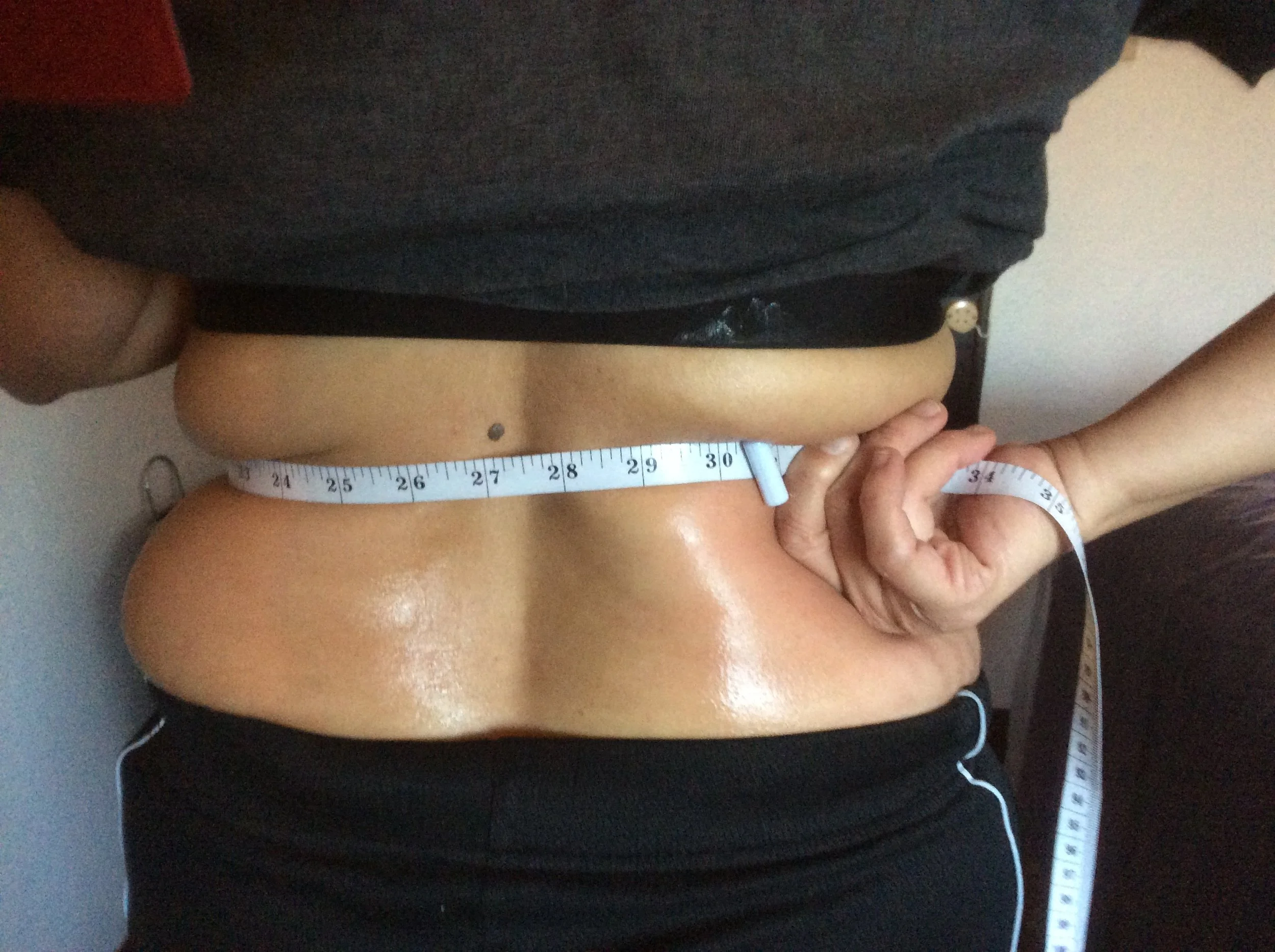
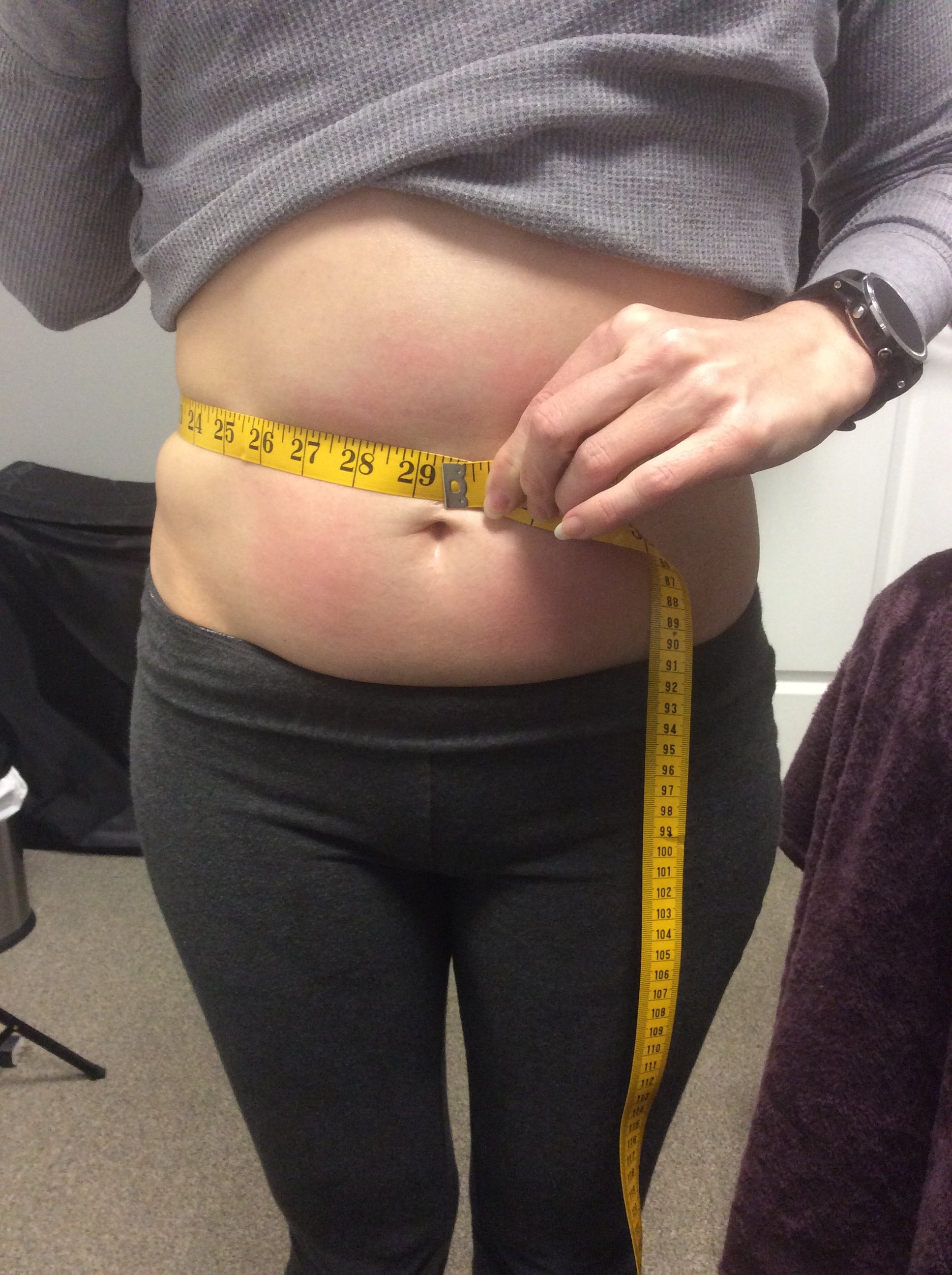
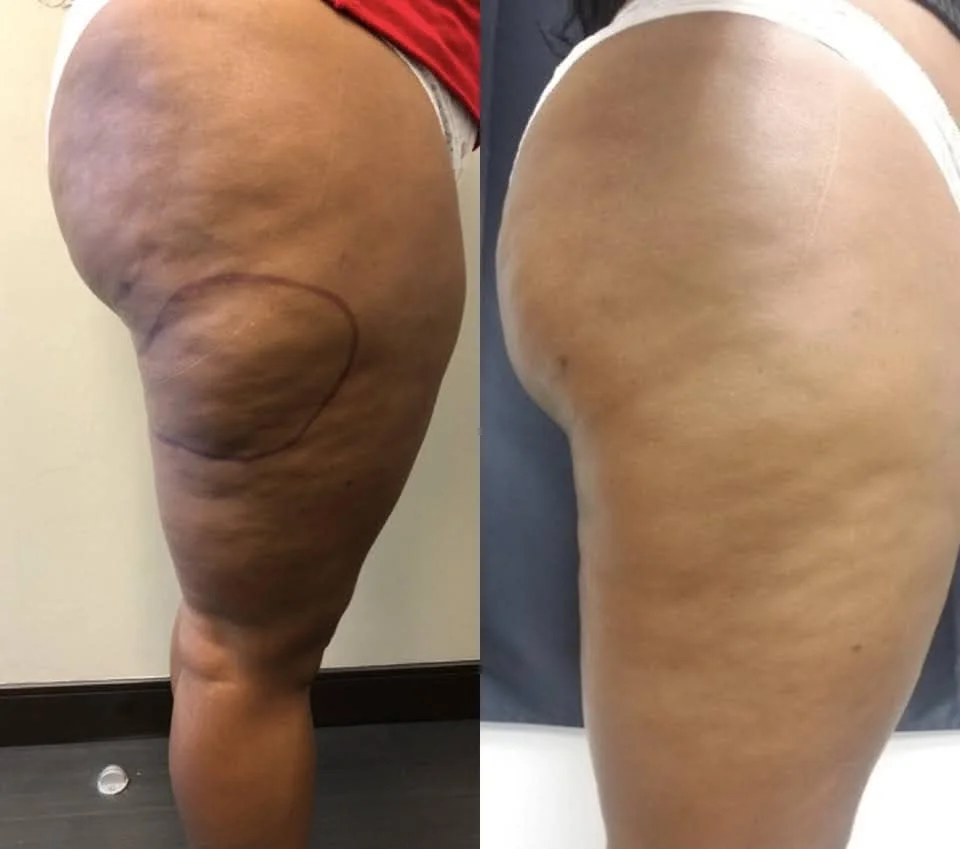
Cavitation is a non-surgical, non-invasive fat-removal procedure. Clients see immediate improvement and will continue to notice reductions in fat for up to 72 hours following treatment. The most common problem areas treated are the buttocks, abdomen, love handles, male chest, upper arms, inner thighs and areas with cellulite. Cavitation is an ideal option for people who want to contour their body, regain confidence and refine their figure. Most clients observe a visible change after the first session, with optimum results typically achieved after 4 to 8 sessions. Cavitation is a non-surgical alternative to liposuction. It destroys fat cells by using low-frequency sound waves; once a fat cell is disrupted, the fat is released into the space between cells and broken down into proteins, free fatty acids and glycerol. Free fatty acids are transported to the liver where they are metabolized and eliminated from the body, while glycerol can be used by the body for energy.
-
Fat Reduction & Body Contouring
Breaks down stubborn subcutaneous fat cells in areas resistant to diet and exercise (abdomen, flanks, thighs, arms)
Targets localized fat pockets with precision, allowing for spot-treatment of specific problem areas
Produces gradual, natural-looking results as the body clears disrupted fat cells through normal metabolic processes
Non-Invasive Advantages
Requires no incisions, needles, or anesthesia
Zero downtime — clients can resume normal activities immediately
Painless to mildly warm sensation; most clients describe it as relaxing
Lower risk profile than surgical liposuction (no scarring, bleeding, or surgical recovery)
Skin & Tissue Benefits
Can improve the appearance of skin texture when paired with radiofrequency or Madero therapy
Stimulates circulation in the treated area
May support smoother skin surface over a treatment series
Body Composition & Measurable Results
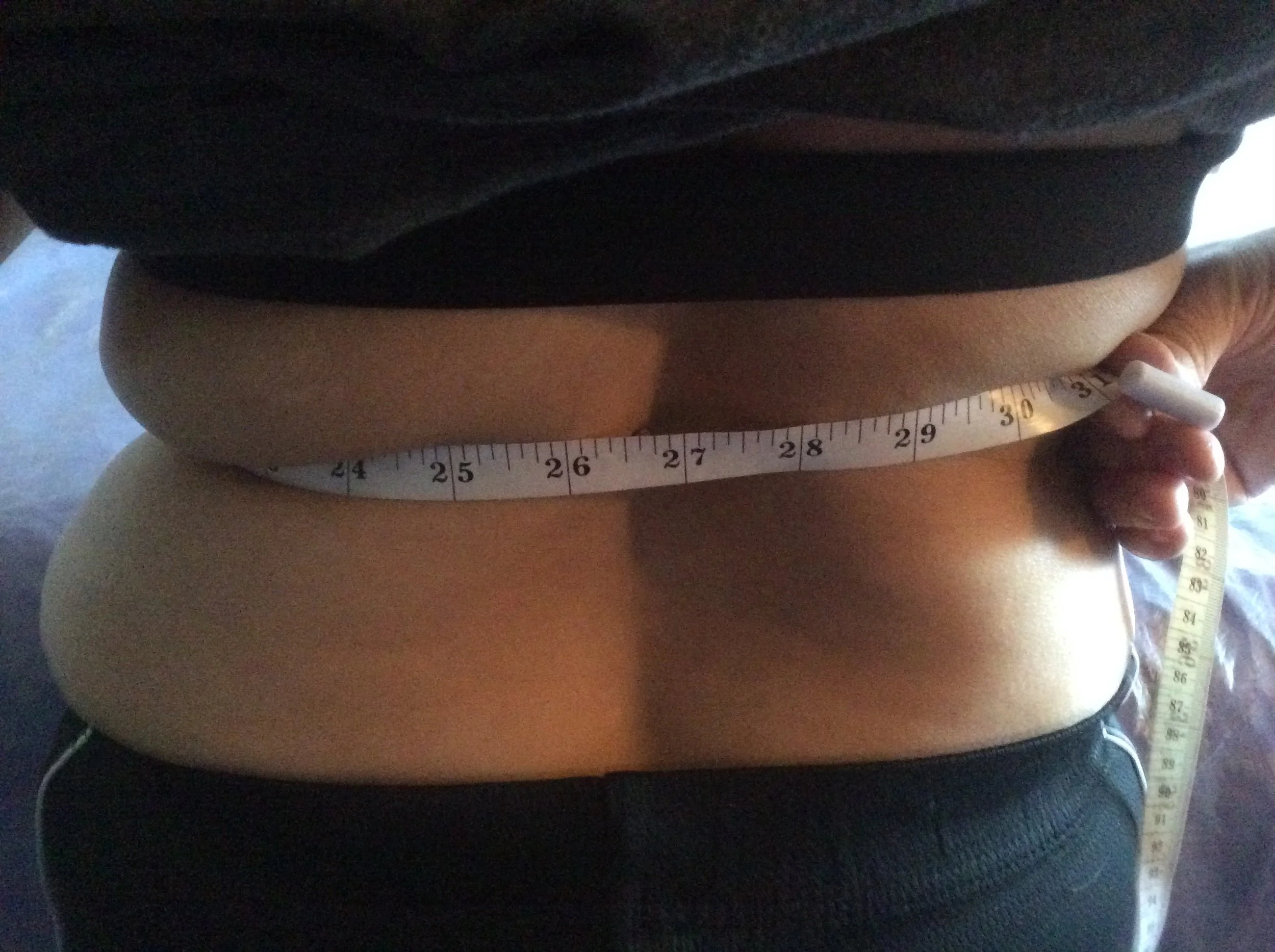
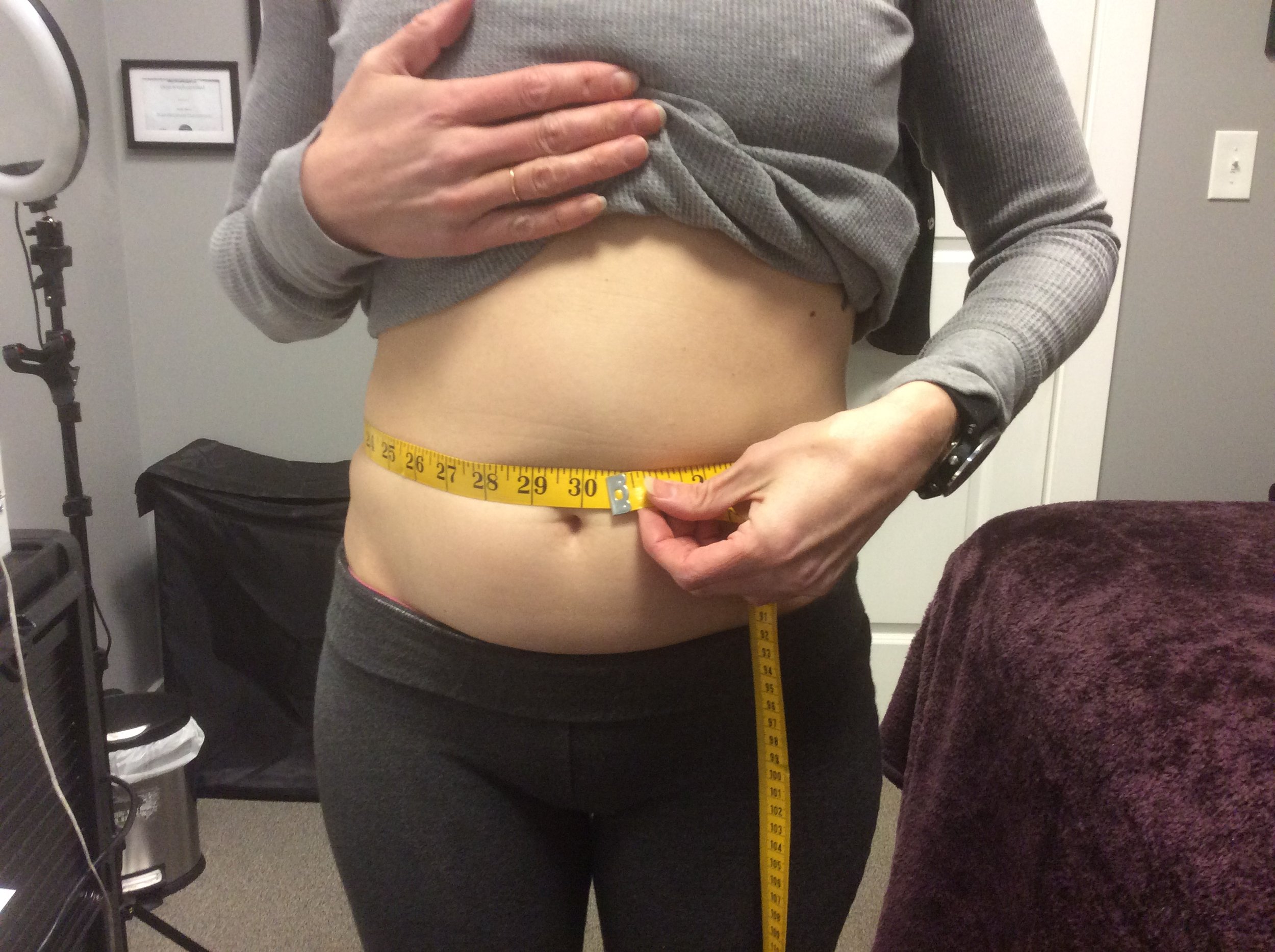
Clients often see inch loss and improved body contour after a treatment series
Results can be measured through circumference changes, not just weight
Complements strength training or activity-based fat loss efforts rather than replacing them
Whole-Body & Wellness Synergy
Pairs naturally with lymphatic drainage to support clearance of released fat byproducts
Fits into a broader holistic treatment plan alongside RF skin tightening, HIFU, and vacuum therapy
Supports client confidence and motivation as part of a larger wellness or self-care routine
Session Practicality
Quick treatment sessions (typically 30–45 minutes) that fit easily into a client's schedule
No special preparation required beyond hydration
Can be customized in frequency and intensity (40K vs. 80K) based on client tolerance and treatment depth needed
FAQ Cavitation
-
No most clients consider the procedure painless and comfortable. During the treatment you will feel a soothing heat in the targeted area. A little “blushing” or reddening may occasionally appear but it does not cause pain. The heat generated is perfectly tolerable. There may be a slight discomfort due to the specific low frequency ultrasound noise experienced, but ut poses no harm and disappears as soon as you are not in contact with the transducer. The treatment can be compared to the feeling of finishing an intense workout.
-
The Ultrasound Cavitation Non-surical “Liposuction” emulsifies far and coverts solids fat into a liquid substance that is easy to remove through the lymphatic and urinary systems. Some of the melted fat will be used for energy and the rest will be excreted through the urine that is why drinking water is essential. If you do not drink adequate water before and after each treatment, it will be harder for your systems to remove the fat. You may notice an increase in urination after each session.
-
Yes, but because the procedure are non-invasive and work with your body’s natural elimination and detoxification processes, results are not as immediate as surgical liposuction. Fat is removed gently with our harming the vascular system and without post-operative symptoms such as scarring and pain.
-
At your initial consultation, it will be determined what the best course of action is for your needs. You may benefit from contouring, tightening and lifting using Radio Frequency therapies and may not need cavitation at all.
-
All parts of the body where localized adiposity resides; therefore legs, abdomen and buttocks are there most appropriate but there’s no real limitation regarding body areas.
-
You are able to return to normal activities immediately. It is performed as walk in walk out treatment and there nis no lengthy revery period as with surgical fat removal. Treatment is generally considered by most people to be painless, with no pain or discomfort post-treatment. A mild tingling and /or warm sensation have been reported during treatment. There are very few documented side effects to date, although bruising is considered to be rare and if it occurs will be very mild, some redness and mild swelling may be noticed for a very short time post-treatment
-
It is best to schedule your appointment 3 days apart. It is essential to allow your body enough time to metabolize and excrete fats and waste material after each session. Maintenance treatments are recommended with the first four taking one month apart and then once evert four months after the to maintain your results. Your therapist will design and optimal treatment schedule for you.
-
Yes, because the Cavitation destroys the fat cells ( which do not replenish) in the treated areas with no damage to the vascular system.
-
Yes. Cavitation treatments are not recommended for people with active heart disease or vascular disease, pacemakers, thrombosis, patients requiring medical transplants, pregnancy and breast feeding, individuals with metal prostheses or any serious illness, or for those who are taking lipid lowering drugs or anticoagulant drugs. Your therapist will discuss contradications during your initial consultation to ensure that your are suitable candidate for cavitation treatments
-
Yes, it’s non-surgical procedure, without anesthesia, non-invasive and allows you to carry pneumonia with your social life before and after the sessions.
-
Using Ultrasonic cavitation your are reducing fat deposits you may experiences some loss in weight but Ultrasound cavitation itself is not a weight loss treatment. It sis particularly indicated to reduce adipose fat and cellulite, which will reduce circumference. Diet suggestions will be recommended to follow throughout your treatment plan and will enhance the elimination of fat deposits and the loss of weight.
-
It is ideal for people who are dissatisfied with certain areas of fatty deposits but do not want to undergo Any invasive surgical treatment like liposuction. A good candidate is someone looking for fat removal from a specific area. The treatment does not necessarily results in overall weight loss, but results in improved shape and contour and size reduction in the treatment area. If you are currently following a health diet or a food weight loss plan, results will be more significant and weight loss will more likely occur.
Great results can be obtain for those who have up to 25 -30 pounds tor less to lose. Cavitation is ideal for those who have tried to shift the stubborn fatty bulges with diet or cerise an ar aim for a smoother and more balanced shape. Ultrasonic Cavitation and RF body contouring is not a treatment for morbid obesity nor it is a weight loss cure. If a significant amount of surplus excess fat exists we recommend successfully dieting before beginning the treatment program. A consultation will determine whether or not our are a good candidate for the procedure.
-
most clients experience an reduction in circumference after the first session, with increasing results after each visit but especially after the third treatment and onward. The results may vary from person to person with different tissue structure, treatment area, age, metabolism, medications, and changes in hormones. Proper diet, water intake and increased physical activity will certainly improve and helps o maintain your results.
Results will continue ue to improve for several weeks following the last treatment session. You will continue to metabolize fat for up to twelve weeks, which means that as most people don not make new fat cells in later life, the loss can be permanent. This procedure will also leave you with firmer, smoother looking skin than before due to the inclusion of Radio Frequency Therapy, which encourages the fibroblasts within the skin to produce collagen.
-
Between 3 and 12 sessions may be required. This depends on body mass and circumference size, age, hormonal balance, medication and your desired goals.
-
To achieve the best results, it’s recommended to refrain from any alcohol consumption for 2-3 days following your treatment. Alcohol can prevent your liver from working and could hinder your results. Alcohol is treated like a sugar and your body will convert it into FAT!
-
It is strongly recommended to avoid carbohydrates (including alcohol) for 24 post treatment, giving the body time to eliminate toxins and waste from the body. It is important to drink plenty of water to aid this process as well. Exercise is highly recommended to stimulate the circulatory and lymphatic systems to remove toxins releases during a treatment. To optimize the treatment and speed up results its recommended to have follow-up lymph drainage with your therapist 3-4 days later. This is a short one , being approximately 20-30 minutes.
-
An average of 4-8 inches total reduction in circumference can be achieved after a single treatment of the abdomen in most clients. Multiple treatments results in incremental circumference reduction and high client satisfaction is most individuals. Results are long lasting so as you maintain a healthy diet and lifestyle. The fat cells are eliminated during a course of treatments, thereby reducing the body’s ability to increase in size. However a diet and lifestyle of poor food choices and indulgence will lead to further weight gain, so it is important to commit to a healthy diet and lifestyle to get the best long term benefits form your treatments.
-
Once the fat has been released by the cells it’s dispersed into the fluid between the cells then transported to the liver. The liver makes no distinction between fat coming from a Cavitation treatment and fat originating from consumed foods. Both are processed by the body ‘s natural mechanism and converted to bile. This is excreted from the body naturally via the urine and stools.
Client Care
At Beautiful You Body Sculpting we are committed to help you get the best results possible. Therefore it is important that you carefully read the Client Care details for the treatment you are about to undertake. If you have any questions or unsure please call our office 612-405-4132.
Before Treatment
Please arrive on time if not call or text.
Pleas complete all the forms .
It is important to be well hydrated with before and after Cavitation Lipo. This can have an effect on the results. Please drink approximately 4 cups of water before treatment .
It is important to check with your therapist about your medications and be honest.
No heating treatments are to be down on the day of procedure such as laser or pulsed light treatments. Keep your therapist updated with any changed health issues, new medications or reactions as you continue with your treatments.
Cavitation Lipo and RF (Radio Frequency) can be used in a program together.
During Treatment
Clients may sometimes experience nausea in the initial stages of treatment as toxins have been pushed around the body.
After Treatment
To maximize results exercises within 4-6 hours after Cavitation Lipo as you want to use up the energy so fat cells don’t resettle back in your system.
To maximize results you need to avoid eating carbohydrates and drinking alcohol for 72 hours to avoid the fats resettling.
Keep your therapist updated with any changed health issues, new medications or reactions as you continue with your treatments.
It is important be well hydrated after Cavitation Lipo. This can have an effect on the results.
Please drink approximately 8 or 9 cups of water per day after treatment. For best results stay hydrated as much s possible for 72 hours.